Making Personalized Medicine With AI
Dive into how AI is making personalized medicine
2/1/20262 min read
Welcome back to AI’s DNA. This is our fourth podcast, and today we’re getting into how AI is changing medicine and healthcare in ways that are already affecting people’s lives.
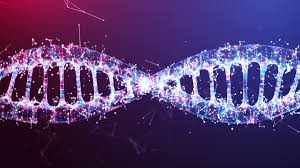
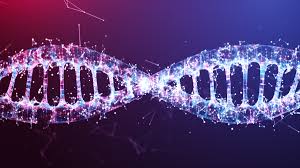
For a long time, healthcare has been based on averages. Doctors give treatments that work for most people and hope they work for you too. But the problem is that everyone’s body is different. AI can analyze your DNA and genomic sequence, your lifestyle patterns like sleep, diet, and exercise, your medical history, and even medical imaging like CT scans and MRIs. When AI puts all of that together, it can help doctors design a treatment plan that’s made specifically for you. That means better results, fewer side effects, and care that fits your body.
AI can also build models that almost perfectly replicate how the body responds by using DNA based simulations. Like a virtual version of your body. AI can test how drugs or treatments might interact with your DNA before anything is given to you. This helps doctors avoid treatments that might not work and choose the ones that are most likely to help. It also speeds up medical research because scientists don’t have to rely only on trial and error anymore. AI gives them smarter predictions from the start.
AI is also changing medical imaging, especially lung CT scans. Lung cancer is one of the hardest cancers to detect early. In the past, detection rates could be as low as about 54 percent, which means a lot of cases were missed. But when AI helps analyze these CT scans, detection accuracy can jump all the way up to 95.7 percent. AI can spot tiny patterns, shadows, and changes that the human eye might miss, especially when doctors are reviewing hundreds of images a day. Earlier detection means earlier treatment, and that can save lives.
AI also helps doctors track patients over time. AI systems can monitor changes in scans, lab results, and symptoms and send alerts if something starts to look off. This turns healthcare into something more proactive. Instead of waiting for a patient to get really sick, AI helps doctors step in early and prevent bigger problems. In the Uk they put wristband on 50,000 patients to monitor their blood pressure, heart beat and differences in the bodies behavior than AI would constantly look at the results and when there is something abnormal they notify a doctor to make a appointment. This takes away hundreds of pointless checkups.
Another huge benefit of AI in healthcare is how it helps reduce pressure on doctors and nurses. Healthcare workers are often overwhelmed with data, paperwork, and administrative tasks. AI can help organize information, analyze results, and even assist with documentation. That means doctors can spend less time reading results and more time takeing action and giving the patient the correct treatment.
Personalized medicine based on DNA and lifestyle, AI models that predict how the body will respond at a genetic level, imaging tools that dramatically improve detection, and systems that help doctors monitor patients makes it clear that AI is changing healthcare.
And the most exciting part is that this is still just the beginning. As AI continues to learn from more data and technology it keeps improving, healthcare will become more accurate, more personal, and more accessible. The way we treat diseases in the future could look completely different from how we do it today.
That’s it for today’s episode of AI’s DNA. Thanks for listening, and we’ll see you in the next podcast.